
Upper Face Botox Techniques
The Upper Face Botox Techniques programme is designed for practitioners who want to develop precision skills in treating common upper facial concerns using botulinum toxin. This course focuses on achieving natural-looking results while maintaining facial expression and balance.
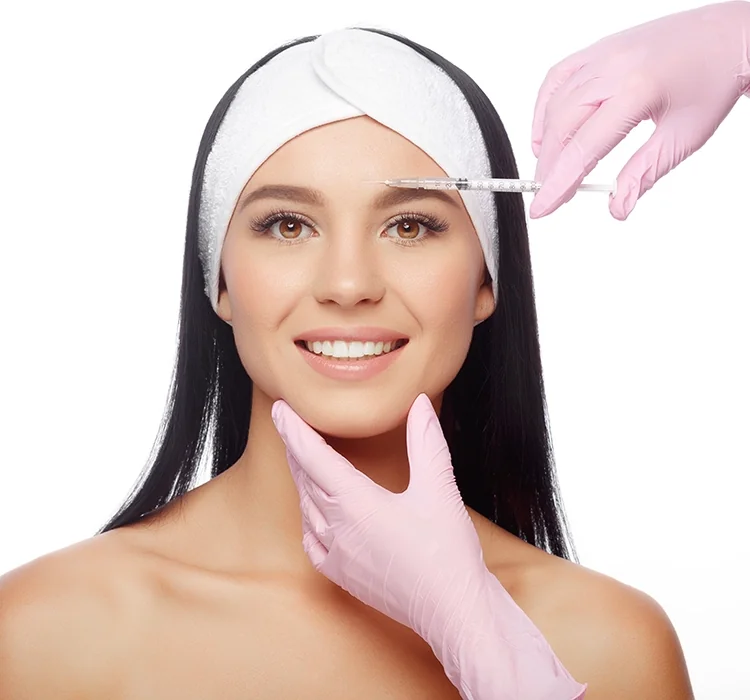
Programme overview
The Upper Face Botox Techniques programme is designed for practitioners who want to develop precision skills in treating common upper facial concerns using botulinum toxin. This course focuses on achieving natural-looking results while maintaining facial expression and balance.
Learners will gain both theoretical knowledge and hands-on clinical experience, ensuring safe practice and confidence in delivering upper face treatments in professional settings.
What you’ll study
01Facial Anatomy of the Upper Face
- Muscles of the forehead and glabellar region
- Orbicularis oculi and periocular anatomy
- Understanding muscle movement and expressions
02Botulinum Toxin Fundamentals
- Mechanism of action
- Dilution, dosage, and storage
- Product selection and handling
03Upper Face Treatment Techniques
- Forehead lines (frontalis muscle)
- Frown lines (glabellar complex)
04Treatment Planning & Aesthetic Balance
- Patient assessment and facial analysis
- Achieving symmetry and natural results
- Avoiding over-treatment
05Consultation & Ethics
- Medical history and contraindications
- Informed consent and patient expectations
- Professional standards and hygiene
06Complication Management
- Managing ptosis and asymmetry
- Handling adverse reactions
- Corrective strategies
07Practical Clinical Training
- Hands-on injection techniques under supervision
- Live demonstrations
- Case studies and treatment evaluation
Study structure
- Duration
- 2 – 4 Weeks (Intensive Training)
- Delivery
- Blended (Online Theory + Hands-On Clinical Practice)
- Modules
- 7 Core Modules + Practical Sessions
- Focus Areas
- Forehead, Frown Lines, Crow’s Feet
- Assessment
- Practical Evaluation & Case-Based Assessment
Who can apply?
Professional eligibility and clinical supervision requirements must be confirmed with admissions before enrolment.